Source Network Filtering Integrated Circuit for Industrial, Communication, Embedded Devices
Compare 30 available network filtering integrated circuit options for industrial, communication, and embedded device applications. Buyers can evaluate specifications such as operating temperature, mounting type, and customization services from verified suppliers.
Key considerations
Products List


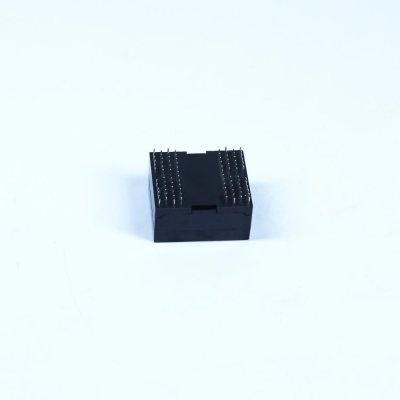


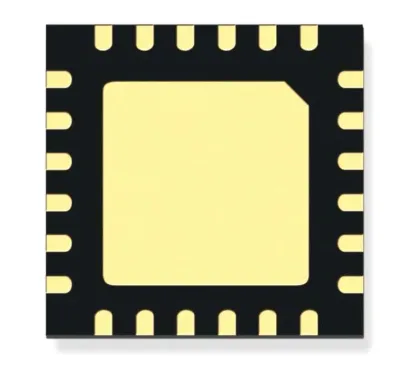


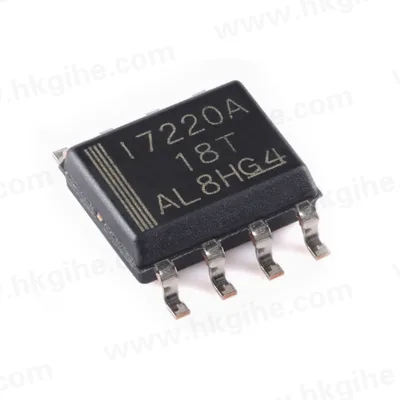
Comprehensive Sourcing Guide
Strategic Sourcing Guide for Network Filtering Integrated Circuits
Understanding the Technical Landscape of Integrated Circuit Solutions
When sourcing network filtering integrated circuits, buyers must first distinguish between the specific functional requirements of signal processing and the physical form factors available in the current market. The core keyword implies a need for components capable of managing data transmission and control functions within industrial, communication, and embedded device environments. Based on observed product attributes, the available inventory includes devices classified as Semiconductor ICs with a Flat shape, designed for Surface Mount Technology (SMT) mounting. These components are explicitly categorized as Integrated Circuits (ICs) serving functions such as Signal Processing, Data Transmission, and Control Fu.
A critical observation in the current supply landscape is the variation in integration levels. While some product listings highlight LSI (Large Scale Integration) capabilities, others reference GSI (Gate Scale Integration). This discrepancy suggests that buyers must verify the specific integration density required for their network topology. The operating temperature range for these observed components spans from -40℃ to 85℃, indicating suitability for standard industrial environments but requiring careful thermal management planning for extreme conditions. Furthermore, the conductive type is noted as Unipolar Integrated Circuit, which influences the electrical characteristics and signal flow within the network filtering architecture.
The physical packaging is another vital technical consideration. While the primary observation points to a Standard Industrial Package, specific listings also mention Tape & Reel, Cut Tape, and Digi-Reel formats, alongside Vacuum Packaging and Carton Box options. For high-volume network infrastructure projects, the Tape & Reel format is often preferred for automated assembly lines, whereas Cut Tape may be more suitable for prototyping or low-volume maintenance. The distinction between these packaging types directly impacts the efficiency of the procurement and assembly workflow.
Compliance, Certification, and Material Standards
Navigating the regulatory landscape is essential for ensuring that network filtering integrated circuits meet global safety and environmental standards. The observed product data indicates a strong emphasis on compliance, with specific certifications listed as RoHS, CCC, and ISO. These certifications are critical for entering markets in Europe, China, and other regions with strict environmental regulations. The presence of a Certificate Guarantee suggests that suppliers are expected to provide documentation verifying these standards, though buyers must independently validate the authenticity of these certificates against the specific batch numbers of the components received.
Material composition plays a significant role in the durability and performance of the underlying circuitry. The supply chain observations reveal the use of Fiberglass Epoxy Resin and Polyimide Resin as base materials, with Copper serving as the conductive base. This combination is typical for Rigid Circuit Boards and supports the requirement for FR-Flame Retardant Properties. The dielectric material is specified as Epoxy Resin, which is standard for maintaining signal integrity in high-frequency applications. Additionally, the surface treatment processes observed include OSP (Organic Solderability Preservative), Enig (Electroless Nickel Immersion Gold), and HASL (Hot Air Solder Leveling). Each of these treatments offers different benefits regarding solderability, shelf life, and environmental impact, and the choice should align with the specific assembly requirements of the buyer.
The standard for these components is frequently cited as FR-4, with variations ranging from 1-4 layers to 1-32 layers in broader PCB contexts. While the integrated circuits themselves are the focus, their integration often relies on the supporting PCB architecture. Buyers should verify that the PCB standards, such as FR-4 SILICON COMPONENTS, align with the thermal and mechanical demands of the network filtering application. The data file formats required for these components typically include Gerber Files, Drilling Files, and Protel Series formats, ensuring compatibility with standard design and manufacturing software suites.
Cost Drivers and Pricing Dynamics
The pricing structure for network filtering integrated circuits is influenced by a complex interplay of factors, including integration level, packaging type, and order volume. The observed listed price range in the market spans from $0.05 to $150 USD. This wide variance indicates that the market includes both low-cost passive or simple active components and high-performance, specialized ICs with advanced signal processing capabilities. The lower end of the spectrum likely corresponds to basic filtering elements or standard industrial packages, while the upper end may reflect complex LSI devices with custom features or higher integration densities.
Minimum Order Quantity (MOQ) is a significant driver of unit cost. The observed MOQ range extends from 1 to 2000 units. For buyers requiring small batches for prototyping or R&D, the ability to source single items or low quantities is crucial, though the unit price may be higher. Conversely, large-scale procurement can leverage the lower end of the price range, provided the buyer can commit to the higher MOQ thresholds. The selling units are often listed as "Single item," which facilitates flexibility for initial testing phases before scaling to bulk orders.
Customization availability is another key cost factor. The product attributes confirm that customization is available, which allows buyers to tailor the integration, shape, or specific functional parameters to their unique network requirements. However, custom orders typically incur higher setup costs and potentially longer lead times compared to standard off-the-shelf components. Buyers must weigh the benefits of a tailored solution against the increased cost and complexity. Additionally, the origin of the products, noted as China, and the capacity of suppliers, with some listing a capacity of 1,000,000 units, suggest a robust supply chain capable of meeting high-volume demands, which can help stabilize pricing for large contracts.
Typical Applications and Functional Integration
Network filtering integrated circuits are versatile components deployed across a diverse range of industries. The primary application domains identified include Industrial, Communication, and Embedded Devices. In industrial settings, these ICs manage signal integrity in harsh environments, ensuring reliable data transmission between control systems and sensors. The operating temperature range of -40℃ to 85℃ supports this industrial deployment, allowing operation in facilities with fluctuating thermal conditions.
In the communication sector, the function of Signal Processing and Data Transmission is paramount. These components facilitate the filtering of noise and the routing of data packets in network transformers and related infrastructure. The specific mention of "Network transformer" as a model type and application highlights the critical role these ICs play in maintaining signal quality in Ethernet and other network protocols. For embedded devices, the compact Flat shape and SMT mounting type allow for dense integration on circuit boards, making them ideal for portable and space-constrained applications.
The functional versatility of these components is further evidenced by their use in Consumer Electronics. While the primary focus is on industrial and communication networks, the underlying technology often finds its way into consumer-grade devices that require robust data handling. The availability of OEM/ODM services indicates that suppliers can support both original equipment manufacturers and design service providers, offering flexibility for companies developing proprietary network solutions. The specific model numbers observed, such as LTC1871EMS#TRPBF and ICH2682Fdc, suggest a variety of specialized parts available, each optimized for different aspects of network filtering and signal processing.
Supplier Evaluation and Service Capabilities
Selecting the right supplier requires a thorough evaluation of their service capabilities, logistical support, and quality assurance processes. The observed product attributes highlight a strong emphasis on service, with OEM/ODM options available. This suggests that suppliers are not merely component vendors but can act as partners in the design and manufacturing process. Buyers should prioritize suppliers who demonstrate the ability to handle custom requests and provide technical support throughout the product lifecycle.
Logistical capabilities are equally important. The shipping methods observed include DHL, UPS, FedEx, Air, and Sea, indicating a global reach and flexibility in delivery options. For time-sensitive projects, air freight may be necessary, while sea freight is more cost-effective for large, non-urgent shipments. The place of origin is consistently listed as Jiangsu, China, a region known for its electronics manufacturing ecosystem. Buyers should verify the specific location of the supplier within this region to assess proximity to ports and potential transit times.
Quality control is a critical differentiator among suppliers. The data indicates a "100% E-Testing" standard, which implies that every unit undergoes electronic testing before shipment. This rigorous testing protocol is essential for minimizing the risk of defective components in critical network applications. Additionally, the presence of a Certificate Guarantee suggests a commitment to quality and compliance. Buyers should request detailed test reports and quality certificates to validate these claims. The mechanical rigidity of the components, described as Rigid, and the specific bonding pad diameters (10mil) and solder mask thicknesses (10um) are technical parameters that should be verified against the supplier's quality control documentation.
Quality Control and Long-Term Procurement Considerations
Ensuring the long-term reliability of network filtering integrated circuits requires a proactive approach to quality control and supply chain management. The observed specifications, such as the Min Bonding Pad Diameter of 10mil and Min Thickness of Soldermask of 10um, are critical for ensuring the physical integrity of the solder joints and the overall durability of the circuit. Buyers should verify that these specifications are consistently met across all batches, as variations can lead to assembly failures or reduced lifespan.
The material properties, including the use of Halogen Free materials and High Tg Fr-4, are essential for long-term performance. Halogen-free materials reduce the risk of toxic fumes during soldering and disposal, aligning with environmental sustainability goals. High Tg (Glass Transition Temperature) materials offer better thermal stability, which is crucial for components operating in high-temperature environments. Buyers should confirm that the suppliers adhere to these material standards and provide traceability for the raw materials used.
Long-term procurement considerations also involve the stability of the supply chain. The observed capacity of 1,000,000 units suggests that suppliers have the potential to meet large-scale demands. However, buyers should assess the supplier's ability to maintain consistent quality and delivery schedules over extended periods. The availability of data file formats like Gerber and Protel Series ensures that the design files can be easily transferred and manufactured, reducing the risk of compatibility issues.
Finally, the color of the silk-screen (White, Yellow, Black) and the specific layer counts (1-20 Layers or 1-32 Layers) are aesthetic and functional details that should be specified clearly in procurement contracts. These details can impact the ease of visual inspection and the overall reliability of the final assembly. By maintaining a focus on these technical and logistical details, buyers can ensure a robust and reliable supply of network filtering integrated circuits for their critical applications.
FAQs
What integration levels are available for network filtering integrated circuits?
Available integration levels include LSI and GSI, though buyers must verify specific density requirements for their network topology. The operating temperature range spans from -40 to 85 degrees Celsius, suitable for standard industrial environments.
Which certifications are required for these integrated circuits in global markets?
Certifications include RoHS, CCC, and ISO, which are critical for entering European and Chinese markets. A certificate guarantee is provided, but buyers must validate authenticity against specific batch numbers received.
Can suppliers provide customization for network filtering integrated circuit specifications?
Yes, customization is available for integration, shape, or functional parameters to meet unique network requirements. Custom orders typically incur higher setup costs and may involve longer lead times compared to standard components.
What packaging formats are offered for surface mount technology assembly?
Packaging formats include Tape & Reel, Cut Tape, and Digi-Reel, alongside Vacuum Packaging and Carton Box options. Tape & Reel is preferred for automated assembly lines, while Cut Tape suits prototyping or low-volume maintenance.
How does the minimum order quantity affect the unit price for these ICs?
The minimum order quantity ranges from 1 to 2000 units, directly influencing unit cost. Lower prices are achievable for large-scale procurement, while single-item sourcing is available for initial testing phases at a higher unit price.
Which materials are used for the base construction of these circuit boards?
Base materials include Fiberglass Epoxy Resin and Polyimide Resin with a Copper conductive base. These materials support FR-Flame Retardant Properties and are standard for maintaining signal integrity in high-frequency applications.
What testing standards ensure quality for network filtering integrated circuits?
Every unit undergoes 100% electronic testing before shipment to minimize defect risks in critical applications. Buyers should request detailed test reports to validate quality control documentation regarding bonding pad diameters and solder mask thickness.